The main components of an electric generator
The main components of an electric generator
Generators provide power in the event of a power outage, preventing disruption of daily activities or business operations. So do you know how generators work, the main components of generators, and how generators operate as secondary power sources in residential and industrial applications?
A generator is a device that converts mechanical energy obtained from an external source into electrical energy as an output.
The modern dynamo works on the principle of electromagnetic induction, discovered by Michael Faraday in 1831-1832. Faraday discovered that this flow of charge could be induced by moving electrical conductors, such as electrically charged wires, in a magnetic field. This motion creates a voltage difference between the two ends of a wire or conductor, which allows an electric charge to flow, resulting in an electric current.

The main components of the generator are explained in detail below:
1.Engine
The engine is the source of the input mechanical energy to the generator. The size of the engine is directly proportional to the maximum power output the generator can supply. There are several factors that you need to keep in mind while assessing the engine of your generator. The manufacturer of the engine should be consulted to obtain full engine operation specifications and maintenance schedules.
• Compact design
• Simpler operation mechanism
• Durability
• User-friendly in operations
• Low noise during operations
• Low emission levels
2.Alternator
The alternator, also known as the ‘genhead’, is the part of the generator that produces the electrical output from the mechanical input supplied by the engine. It contains an assembly of stationary and moving parts encased in a housing. The components work together to cause relative movement between the magnetic and electric fields, which in turn generates electricity.

3.Fuel System
Fuel System The fuel tank usually has sufficient capacity to keep the generator operational for 6 to 8 hours on an average. In the case of small generator units, the fuel tank is a part of the generator’s skid base or is mounted on top of the generator frame. For commercial applications, it may be necessary to erect and install an external fuel tank.
4.Voltage Regulator
Also known as an Automatic Voltage Regulator (AVR) or Voltage Regulator (VR), an Automatic Voltage Stabilizer (AVS) stabilizes the mains power supply voltage to a load. It is a feature of Line Interactive uninterruptible power supplies and provides protection from power problems such as sags, brownouts and surges.
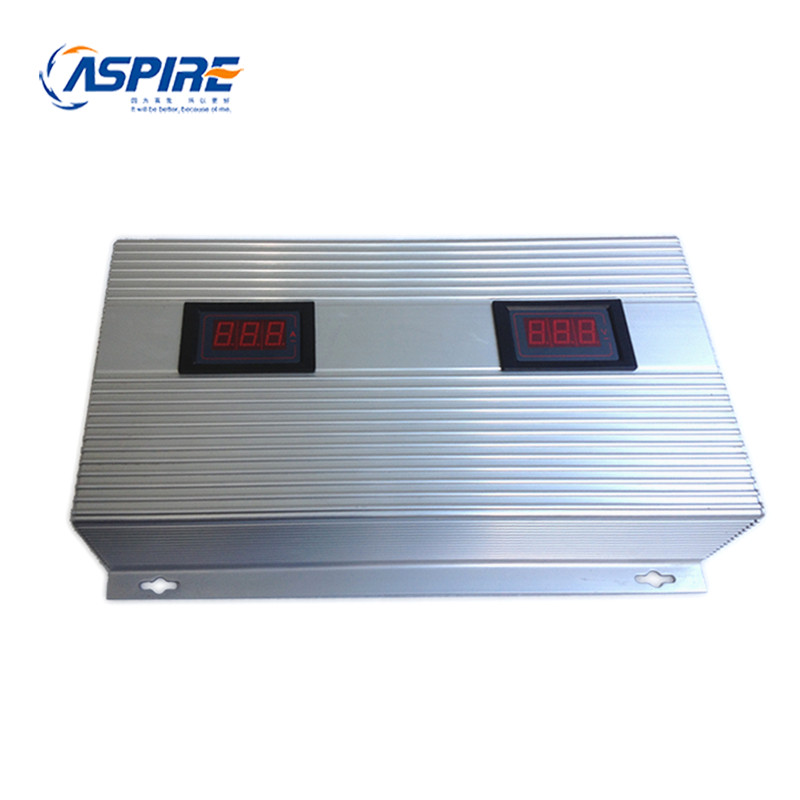
5.Battery Charger
The start function of a generator is battery-operated. The battery charger keeps the generator battery charged by supplying it with a precise ‘float’ voltage. If the float voltage is very low, the battery will remain undercharged. If the float voltage is very high, it will shorten the life of the battery. Battery chargers are usually made of stainless steel to prevent corrosion. They are also fully automatic and do not require any adjustments to be made or any settings to be changed.
6.Control Panel
This is the user interface of the generator and contains provisions for electrical outlets and controls. The following article provides further details regarding the generator control panel. Different manufacturers have varied features to offer in the control panels of their units.
What is Automatic transfer Switching equipment?
Advantages of Portable Diesel-Powered Generators